Data versioning tools have become essential for maintaining data integrity, tracking changes, and enabling reproducibility. These tools ensure that datasets evolve alongside code changes, providing a clear history of data modifications.
We will explore three popular data versioning tools:
- DVC
- Git LFS
- Apache Subversion
DVC (Data Version Control)
DVC is an open-source data versioning tool that seamlessly integrates with Git. It provides a simple and efficient way to track changes in data files, models, and experiments. DVC uses a lightweight approach by storing metadata and small file pointers in Git, while the actual data files are stored in remote storage systems like Amazon S3 or Google Cloud Storage. This helps in avoiding the limitations of Git, such as large file size and slow performance.
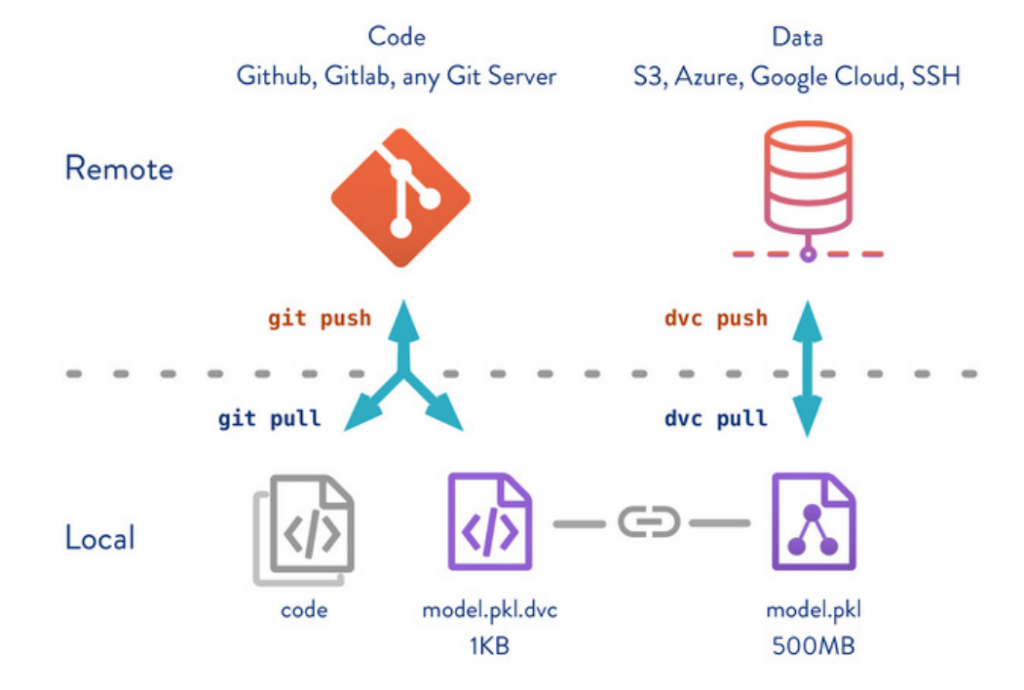
DVC also offers features like data lineage, reproducibility, and easy collaboration. With data lineage, you can track the complete history of your data files and understand how they have evolved over time. Reproducibility allows you to recreate previous experiments and models, ensuring consistent results. Collaboration features enable teams to work together on data projects, making it easy to share and manage data across different environments.
Git LFS (Large File Storage)
Git LFS is an extension to Git that enables version control for large files. It replaces large files in your Git repository with text pointers, while the actual files are stored in a separate storage system. This helps in improving the performance and scalability of your Git repository.
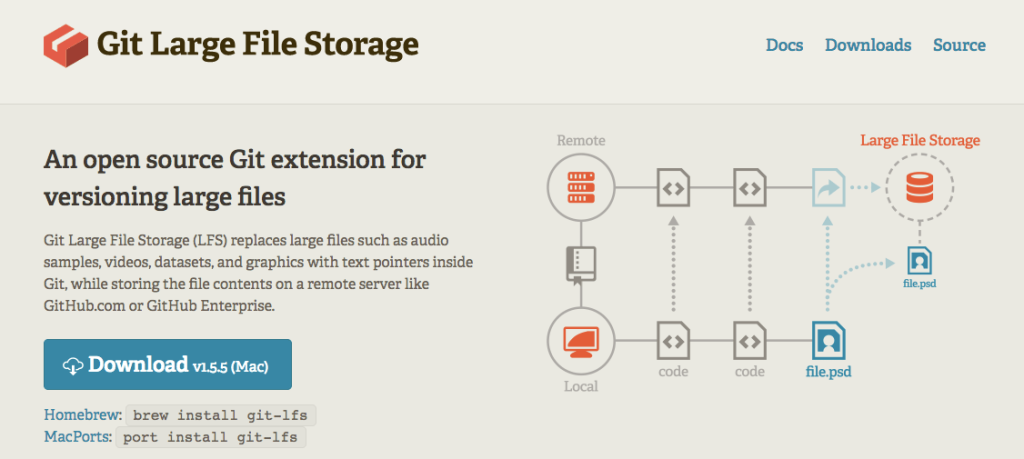
Git LFS is widely used in software development, especially for managing large files like images, audio, video, and datasets. It provides a seamless integration with Git, allowing you to work with large files without worrying about their size or impact on Git operations. Git LFS also supports parallel downloads and partial cloning, making it efficient for working with large repositories.
Apache Subversion (SVN)
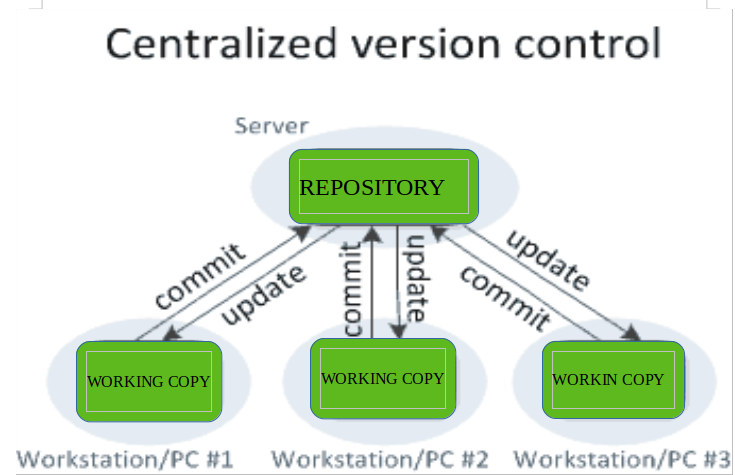
Apache Subversion, commonly known as SVN, is a centralized version control system for managing files and directories. Unlike Git, which is a distributed version control system, SVN follows a client-server architecture. This means that all the files and their versions are stored in a central repository, and users can checkout, update, and commit changes to the repository.
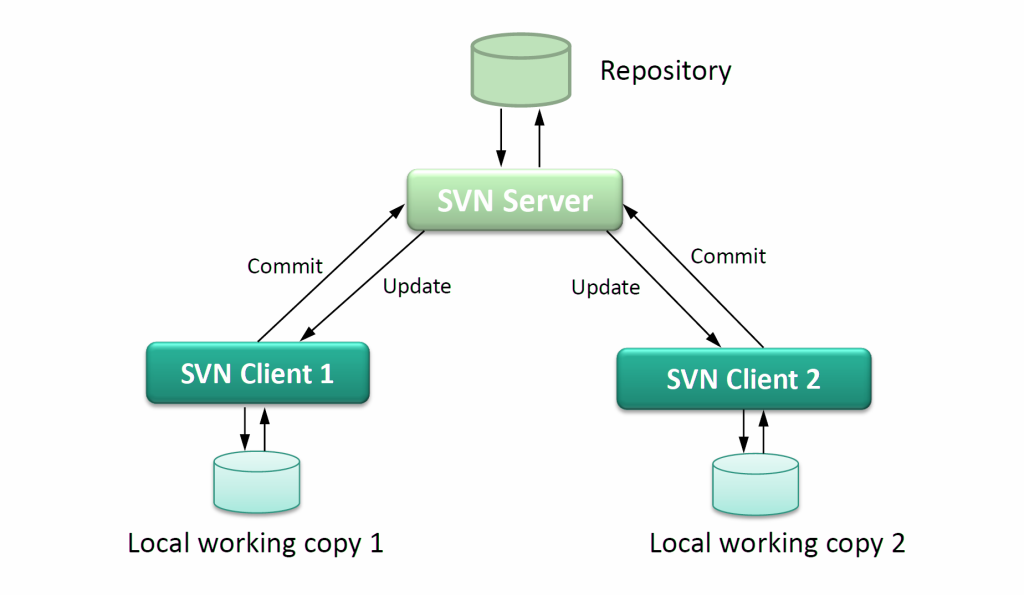
SVN provides features like atomic commits, branching, and merging, which are essential for collaboration and managing codebases. It also supports file locking, which allows users to prevent others from modifying a file while they are working on it. SVN is widely used in enterprise environments where a centralized approach is preferred over distributed systems like Git.
Conclusion
Data versioning tools are essential for organizations that deal with large volumes of data. DVC, Git LFS, and Apache Subversion are three popular tools that offer different approaches to data versioning. DVC focuses on lightweight integration with Git, providing features like data lineage and reproducibility. Git LFS specializes in version control for large files, improving performance and scalability. Apache Subversion follows a centralized approach, making it suitable for enterprise environments.
References
- DVC documentation: https://dvc.org/doc
- Git LFS documentation: https://git-lfs.github.com/
- Apache Subversion documentation: https://subversion.apache.org/
