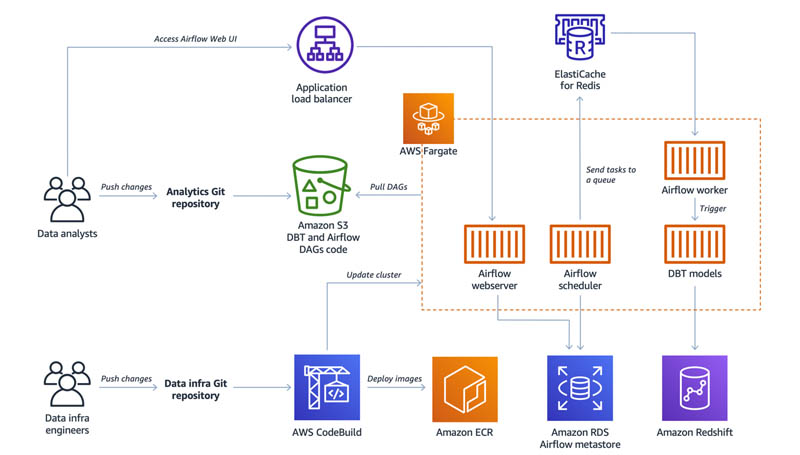
Are you struggling to manage your data? Are you looking for ways to streamline your data management processes? If so, you might want to consider using a DataOps platform. In this blog post, we’ll explain what a DataOps platform is, how it works, and why it’s important. We’ll also provide some examples of popular DataOps platforms and discuss some of the benefits that come with using one.
What is a DataOps Platform?
A DataOps platform is a set of tools and processes designed to help organizations manage their data more efficiently. It combines elements of data management, DevOps, and Agile methodologies to create a streamlined workflow for managing data.
The goal of a DataOps platform is to make it easier for organizations to collect, store, process, and analyze large amounts of data. By using a DataOps platform, organizations can streamline their data management processes, reduce errors, and improve the accuracy and reliability of their data.
How Does a DataOps Platform Work?
A DataOps platform typically consists of several different tools and components, including:
- Data integration tools: These tools are used to collect data from various sources and integrate it into a central repository.
- Data quality tools: These tools are used to ensure that data is accurate, complete, and consistent.
- Data processing tools: These tools are used to process and manipulate data in various ways.
- Data analysis tools: These tools are used to analyze data and generate insights.
A DataOps platform also includes various processes and methodologies, such as Agile methodologies, DevOps practices, and continuous integration and delivery (CI/CD) pipelines. These processes are designed to help organizations manage their data more efficiently and effectively.
Why is a DataOps Platform Important?
There are several reasons why a DataOps platform is important for organizations that deal with large amounts of data.
First, a DataOps platform can help organizations streamline their data management processes. This can help reduce errors, improve the accuracy and reliability of data, and increase productivity.
Second, a DataOps platform can help organizations improve their data analysis capabilities. By using a DataOps platform, organizations can collect, store, process, and analyze data more efficiently, which can lead to better insights and decision-making.
Finally, a DataOps platform can help organizations stay competitive in today’s data-driven world. By using a DataOps platform, organizations can stay ahead of the curve when it comes to managing and analyzing data, which can give them a competitive advantage.
Examples of Popular DataOps Platforms
There are several popular DataOps platforms on the market today. Here are just a few examples:
- Databricks: Databricks is a cloud-based DataOps platform that provides tools for data engineering, data science, and machine learning.
- Talend: Talend is an open-source DataOps platform that provides tools for data integration, data quality, and data governance.
- Snowflake: Snowflake is a cloud-based DataOps platform that provides tools for data warehousing, data lakes, and data engineering.
- Cloudera: Cloudera is a hybrid DataOps platform that provides tools for data engineering, data science, and machine learning.
Benefits of Using a DataOps Platform
There are several benefits to using a DataOps platform, including:
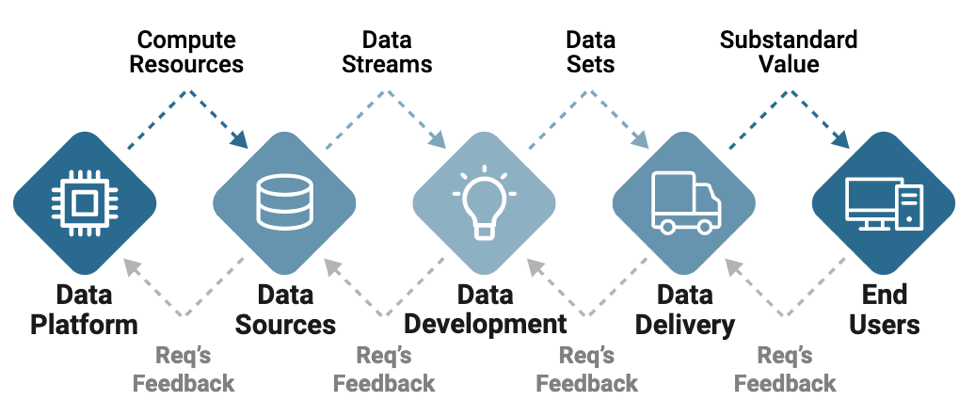
- Improved efficiency: By streamlining data management processes, organizations can reduce errors, improve productivity, and save time and money.
- Better insights: By improving data analysis capabilities, organizations can generate better insights and make more informed decisions.
- Competitive advantage: By staying ahead of the curve when it comes to managing and analyzing data, organizations can gain a competitive advantage over their competitors.
In conclusion, a DataOps platform is a powerful tool for organizations that deal with large amounts of data. By using a DataOps platform, organizations can streamline their data management processes, improve their data analysis capabilities, and gain a competitive advantage in today’s data-driven world.
