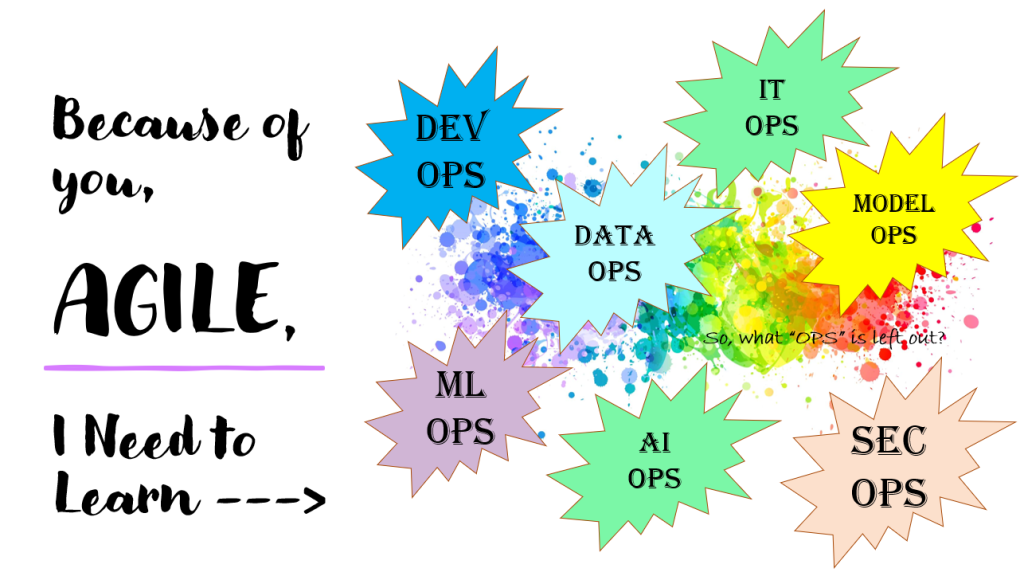
Have you ever wondered what the difference is between DataOps and ITOps? In this article, we will explore the two terms and compare and contrast their meanings, functions, and objectives.
Introduction
In today’s fast-paced digital world, businesses are constantly seeking ways to improve their operations and processes. Two terms that have gained popularity in recent years are DataOps and ITOps. While they may sound similar, they are distinct terms that refer to different aspects of technology operations.
What is DataOps?
DataOps is a methodology that aims to streamline the process of collecting, processing, and analyzing data. It involves the use of automation, collaboration, and communication to ensure data is accurate, timely, and relevant.
The goal of DataOps is to increase the efficiency of data-related processes by breaking down silos between teams and promoting collaboration. It involves the use of tools such as data pipelines, data catalogs, and data quality checks to ensure data is of high quality and can be quickly and easily accessed by those who need it.
What is ITOps?
ITOps, on the other hand, refers to the operations and management of IT infrastructure. This includes the hardware, software, and networks that businesses use to support their operations.
The goal of ITOps is to ensure that IT infrastructure is running smoothly and efficiently. This involves monitoring systems, identifying and resolving issues, and performing maintenance tasks such as updates and patches.
Comparing DataOps vs ITOps
While both DataOps and ITOps involve the use of technology and aim to improve operations, they are distinct terms that refer to different aspects of technology operations.
DataOps focuses on the collection, processing, and analysis of data, while ITOps is concerned with the management and maintenance of IT infrastructure. DataOps involves collaboration and communication between teams, while ITOps involves monitoring and resolving issues with systems.
Conclusion
In summary, DataOps and ITOps are two distinct terms that refer to different aspects of technology operations. While they may sound similar, they have different goals and functions. Understanding the difference between the two terms can help businesses improve their operations and processes.
So, the next time you hear the terms DataOps and ITOps, you will know what they mean and how they differ from each other.
